
Explore Tafaria
🦴

Evolution Science Museum

A visitor and student guide to Tafaria's Evolution Science Museum, exploring human evolution, natural history, communication, trade and Kenyan currency.

8 Articles

What Is the Tafaria Evolution Science Museum?

The Evolution Science Museum is one of Tafaria's flagship educational attractions.

The Tafaria Evolution Science Museum is designed to spark curiosity about humanity, the natural world and scientific discovery through exhibits and guided interpretation.

Visitors can approach the museum at different levels. Younger learners may concentrate on striking objects and simple questions, while older students and adults can use the displays to discuss evidence, adaptation, human ingenuity and how societies change.
Why Does Tafaria Have an Evolution Science Museum?

The museum exists to make science accessible, enjoyable and relevant to learners of all ages.

Rather than presenting information only through textbooks, visitors encounter physical exhibits that encourage observation, questioning and discussion.

The museum is therefore less about memorising a sequence of facts and more about seeing change over time. Its displays create a starting point for conversations about people, ideas, technology, communication and the natural world.

Human Evolution at the Tafaria Evolution Science Museum

One of the museum's central themes is the story of human evolution.

Visitors explore humanity's origins, biological development and the evidence scientists use to understand our past. The exhibits encourage curiosity while respecting that visitors may hold different cultural or religious perspectives.

Human evolution through physical evidence

Tafaria's museum narrative includes milestones in human evolution and ingenuity. For school groups, the useful discussion is not only what changed physically, but how tool use, communication, exploration and social organisation affected the human story.

Earth, Geology and Natural History at the Evolution Science Museum

The museum introduces geology, fossils, rocks, minerals and the forces that have shaped the Earth over millions of years.

The earth and natural-history displays help visitors consider the planet's long history and the importance of conserving natural resources.

How to get more from the museum

Its role within Tafaria is unusual because the museum sits alongside art, agriculture and leisure. A visitor can move from scientific history to a farm, herbarium, art space or recreation within the same destination.

The experience is designed for different levels of prior knowledge. Younger learners can focus on observation and simple comparisons, while older students can connect the same displays or demonstrations to science, design, history, enterprise and environmental questions.

Archaeology, Civilisation and Human Ingenuity

Visitors learn how archaeology helps us understand past societies through artefacts, tools and evidence left behind by earlier generations.

The museum encourages appreciation of human ingenuity and cultural heritage.

Learning through questions and comparison

For students, the museum can provide a concrete starting point for classroom topics such as human origins, innovation, communication, trade and social change. The strongest learning comes from comparing what changed, what drove the change and what those changes made possible.

The Evolution of Communication, Trade and Currency

Selected exhibits explore how communication, trade and currency have evolved through history, demonstrating how human societies organise themselves, exchange ideas and build economies.

Communication and trade through objects

The museum uses communication, trade and Kenyan currency as visible records of changing society. Currency is particularly useful because design, materials and denominations can prompt discussion about history, national identity, technology and exchange.

The Evolution Science Museum presents a broad story of change over time. The museum explores human evolution, the evolution of communication and the evolution of Kenyan currency, using guided interpretation to make large ideas approachable.

How Do Visitors Learn at the Evolution Science Museum?

The museum is intended to be interactive rather than passive.

Guides encourage visitors to ask questions, compare ideas and connect exhibits with everyday life. School groups integrate museum learning into broader goDream activities.

A story of change over time

Tafaria has the museum as a guided or audio-guided experience of roughly one hour. Visitors who ask questions and compare exhibits tend to get more from it than those who simply move from display to display.

The museum is one of the key learning stops for school groups and day visitors. Tafaria describes a guided or audio-guided experience that encourages questions rather than treating the displays as objects to pass quickly.

How the Evolution Science Museum Connects with Other Tafaria Experiences

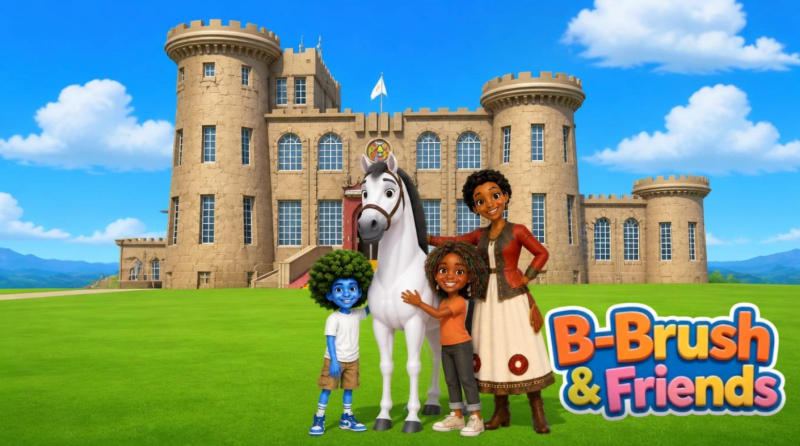
The museum complements the Nano Herbarium, Nano Farm, Center for the Arts and B-Brush & Friends.

The Evolution Science Museum connects with Tafaria's creative, conservation and storytelling experiences rather than standing apart as an isolated attraction.

A museum discussion can continue outside the exhibition space. Questions about human ingenuity, natural history or change over time can connect naturally with what visitors later see in the herbarium, farm, arts centre and built environment.